Why Old Fixes Keep Failing in Modern Warehouses
Bottlenecks don’t vanish; they move. In most sites, amr robot is pitched as a magic wand. When teams chase automation in warehousing, they often bolt new kit onto old bones—same layout, same rules, just shinier batteries. That’s like putting a turbo on a lorry stuck in traffic, mate. The real grind sits deeper: rigid WMS hand-offs, fixed aisles, and “batch-first” thinking that locks flow. Sensors get added, then folks blame the fleet when orders pile up again—funny how that works, right? Core issues live in queuing logic, not only in wheels and frames. Plus, maintenance crews get hammered because power converters and chargers were never planned into the flow. Toss in flaky Wi‑Fi, missing edge computing nodes, and you’ve got a proper jam.
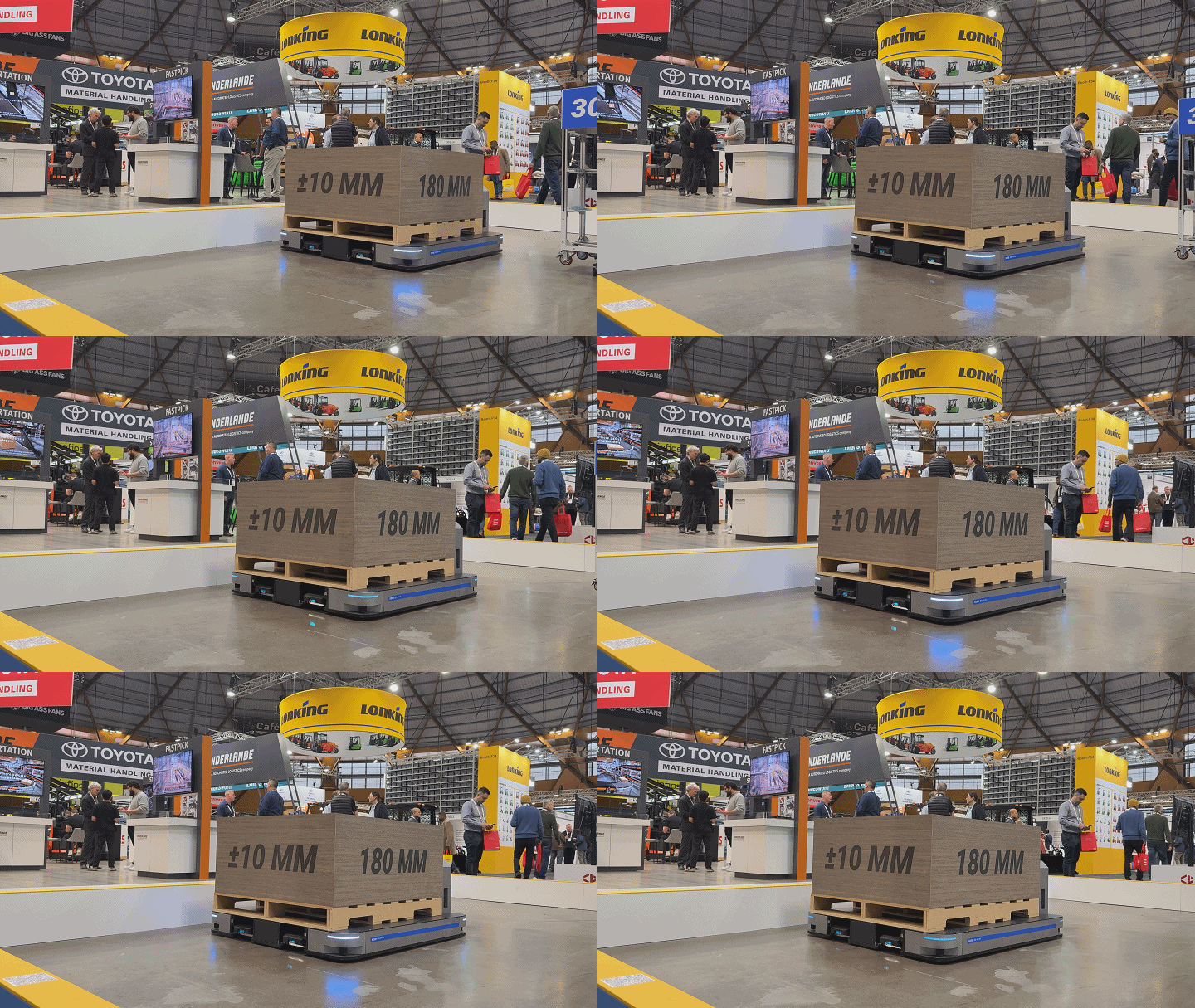
Where do the quick fixes break?
Look, it’s simpler than you think. Traditional lines assume humans absorb the chaos. Robots don’t. They need clean signals, consistent dock timing, and clear priorities. Yet many plans skip dynamic slotting and fleet management rules, so routes cross and queues form. LiDAR SLAM can map the place in minutes, but if WMS integration tags are late by 30 seconds, the picker still waits. The hidden pain is human, too: operators juggle five screens, no single command view, and no alert triage—so small misreads turn into big delays. Toss in safety PLCs that halt whole zones for one fault, and you get stop‑start days. This is why “more bots” isn’t the answer. The answer is flow logic first, device second (Bob’s your uncle). Right then, let’s stack it against what’s next.
Comparative Insight: From Static Lines to Adaptive Swarms
What’s Next
Here’s the shift. Old flows were static: fixed paths, fixed pick windows, fixed buffers. The new model runs on adaptive principles. Think decentralized fleet orchestration, where edge computing nodes negotiate priority on the fly. Paths aren’t hard-coded; they’re re-scored by live heat maps and dock ETA updates. Instead of one WMS pushing batches downhill, a coordination layer pulls orders into micro-waves based on real congestion. That’s the engine room of next-gen automation in warehousing. AMRs use LiDAR SLAM to remap obstacles and adjust spacing without nuking throughput. And with policy-based charging, power plans stop colliding with peak picks—no more “all bots charge at lunch” silliness. You get fewer stalls, fewer empty miles, and steadier cycle time. Different style, different result.
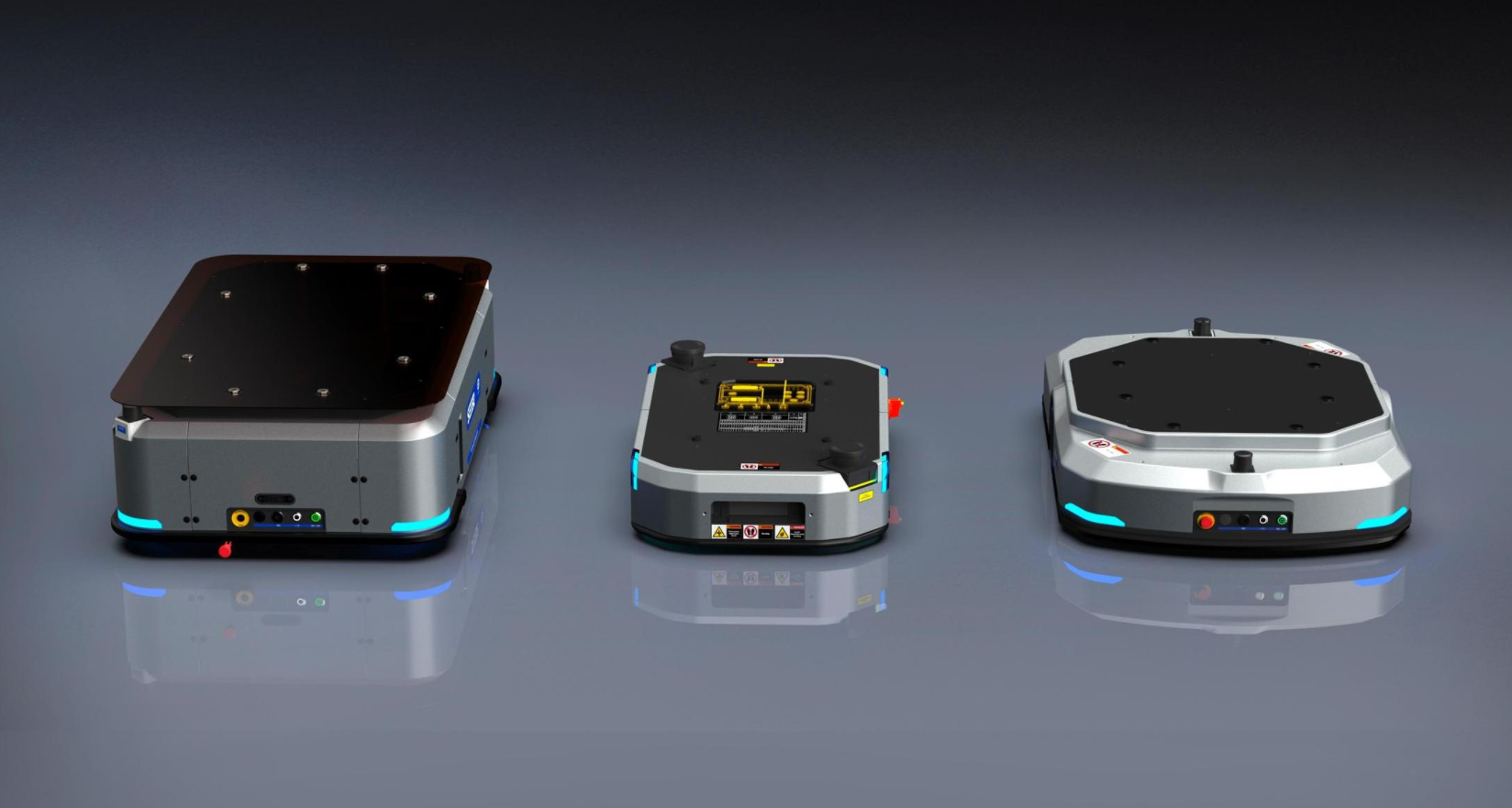
Compare the outcomes. Yesterday: a conveyor chokes, so teams add a bypass, then another. Today: an adaptive fleet senses a choke and reroutes in seconds—no wrench, no drama. Yesterday: one fault halts a zone. Today: graceful degradation keeps 80% moving while a pod is serviced. The trick isn’t extra hardware; it’s better intent data, smarter priority queues, and clear safety envelopes—funny how the simple rules carry the day. If you’re weighing options, use three checks. 1) Flow intelligence: does it expose queue depth, not just bot count? 2) Control clarity: can ops set policies in plain language, with audit trails? 3) Resilience: does the system degrade gracefully—path planning, charger allocation, and handoff timing—when networks wobble? Nail those, and the rest follows— and no, you don’t need a PhD. For steady gains, steady tools, and steady hands, have a proper look at SEER Robotics.