A Glance at the Challenge
Have you ever looked at a highly efficient machine only to discover it’s not performing up to its potential? Studies show that around 30% of energy projects underperform due to suboptimal equipment. This is especially true for energy infrastructure partners, where miscalculations can lead to lost time and resources. I remember when we integrated the screw press into our workflow; it felt like introducing a new member to the team who didn’t quite fit in. Yet, understanding its role can turn this perception around.
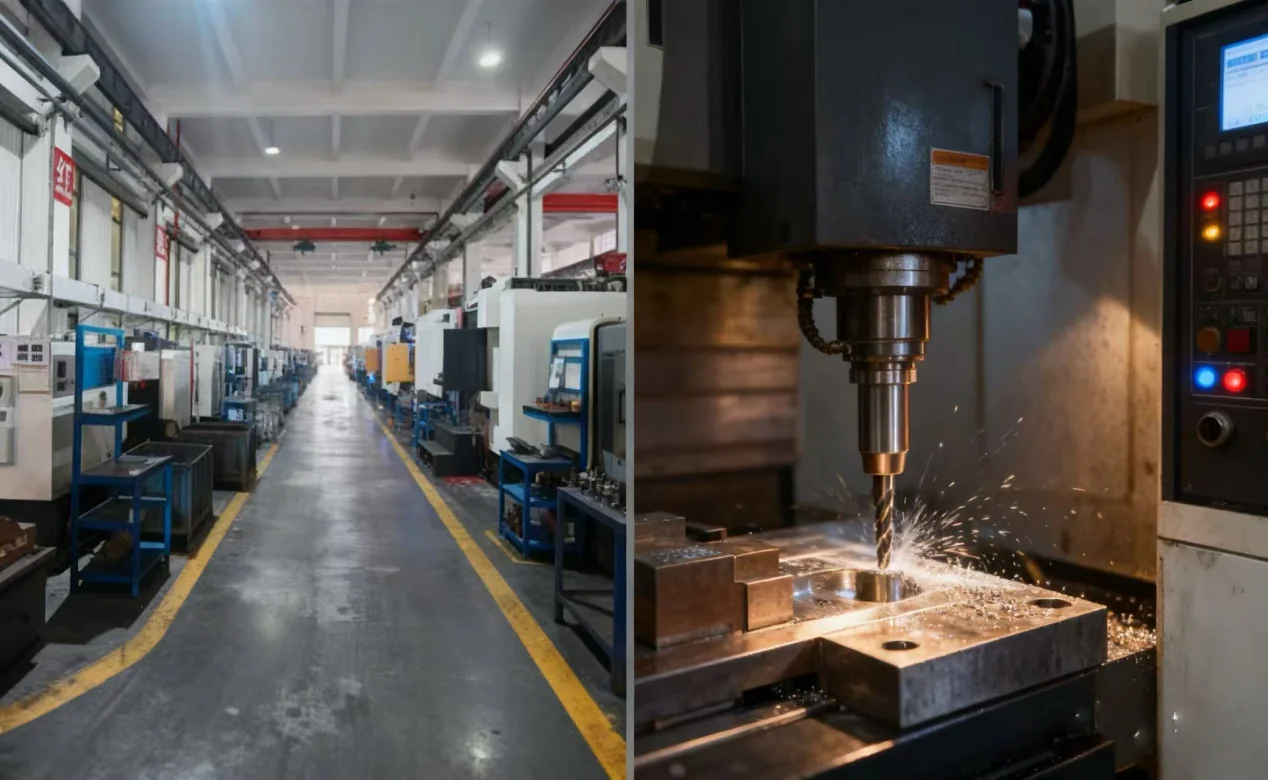
Exploring the Nitty-Gritty of Screw Presses
Reflecting on different setups we’ve worked with, I’ve noticed that many overlook the screw press’s nuances. Initially, I thought they only served one purpose – to dewater. However, the reality is much more complex. The screw press also affects throughput and operational costs, often underestimated factors in project execution. When one considers these aspects, it becomes clear that many traditional solutions indeed fall short, leaving performance gaps wide open.
Why Aren’t We Paying Attention?
So, what holds back energy infrastructure partners from maximizing screw press effectiveness? Often, it’s an oversight in aligning the technology with specific project needs. I recall one project from two years ago in Pennsylvania where we thought we’d skimp on the installation expertise. The outcomes? A significant impact on both efficiency and operation. By failing to fully appreciate the screw press’s detailed functionality, we lost precious operational time.
What Lies Ahead?
As I look to the future, it’s clear the landscape of energy infrastructure—including the role of the global energy infrastructure—is shifting. Now more than ever, energy developers must embrace advancements in screw press technology. They provide not just dewatering benefits but can lead to smarter processing and increased sustainability. This is our opportunity to pivot toward more innovative solutions, particularly as environmental standards tighten.
Key Insights Moving Forward
Many industry voices advocate for these shifts, and rightly so. It’s crucial to recognize that making small tweaks can yield substantial rewards. Consider this: a mere 10% increase in efficiency can lead to substantial cost savings across an entire project lifecycle. I’ve seen firsthand how investments in technology and training can ripple through an organization, enhancing overall performance.
In conclusion, recognizing the screw press’s multifaceted role can dramatically change how we approach energy infrastructure projects. Focusing on collaboration and education is paramount. If we continually evaluate and refine our use of technology, the nuances will become our greatest asset. I believe, moving forward, taking initiative and embracing these changes will define success in our industry.

For those looking to integrate an agile solution, I recommend looking closely at innovative brands—like SH POWER—focused on pushing boundaries in screw press technology. After all, who doesn’t want to outperform expectations? Let’s keep the conversation going and explore what’s next for us all!