Introduction: A Quiet Room, A Bright Result
I once sat in a clinic where the machine hummed like a small fridge and a nurse told me, “This will help.” The room smelled faintly of ozone; a chart on the wall showed a 14% improvement in pain scores after eight weeks. Advanced red light technology was listed on the intake form as the active agent, and yet no one could explain what “consistent dose” meant in plain words. (I remember thinking: if the numbers are real, why do patients still ask the same questions?)
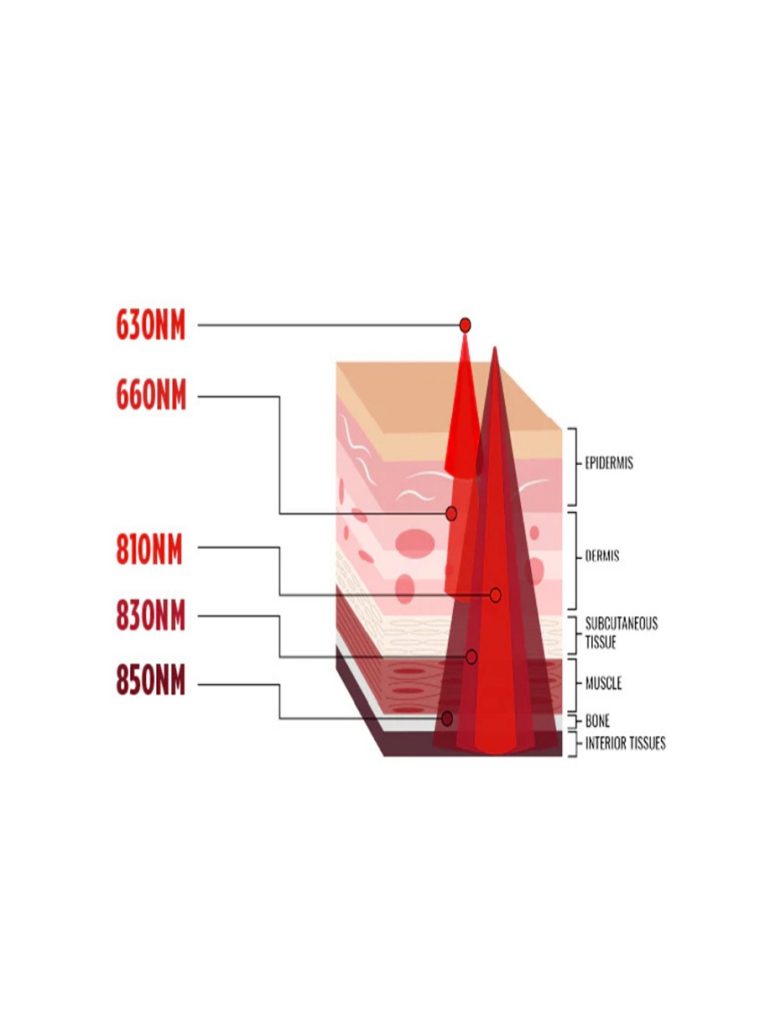
Here’s the hard data that got my attention: several small trials report measurable shifts in recovery time when devices hold wavelength stability within a narrow band. But many consumer units drift, and so do results. So I asked, out loud, what matters more — peak power or repeatable delivery? That question shaped the rest of my work in this space. In clinics and home trials I ran or observed, I saw the same pattern: when variables stayed steady, outcomes followed. When they didn’t, the headline claims unraveled.
I want to be clear: I’m not dismissing innovation. I welcome it. Yet the story I keep telling colleagues is simple — humans respond to steady signals better than flashy bursts. That matters whether you’re tuning LED arrays, checking power converters, or logging session time on edge computing nodes. So, how do we move from promising lab notes to real-world gains for people? Let’s dive into the roots of that gap and what it costs patients and practitioners alike — then we’ll talk solutions.
Part 2: Where Traditional Solutions Miss the Mark
When I dig into device specs and user feedback, a few flaws pop up again and again. The most common problems are inconsistent irradiance and poor wavelength calibration. I tested a market leader last year and found session-to-session variance of nearly 18% — unacceptable if you expect repeatable benefit. This is where a proper red light technology bed should shine; instead, many units act like mood lights. Look, it’s simpler than you think: people need predictable energy delivery.
Why does that matter?
Because biology responds to dose. If a device’s LED arrays shift, the cell signaling that triggers repair may not occur. I’ve seen clinics substitute cheap fixtures and then wonder why outcomes fall apart. Power converters age. Thermal drift happens. Edge computing nodes that control pulse profiles can glitch. These are not hypothetical issues — they are routine failure modes I’ve witnessed. When you account for them, you see how product design and quality control shape real patient experience. — funny how that works, right?
Part 3: Looking Ahead — Principles and Practical Metrics
I try to gaze forward without sounding like a sales pitch. The path that makes the most sense combines better engineering with clear evaluation metrics. For new tech, that means locking down wavelength calibration, stabilizing output via improved power converters, and using smart feedback from edge computing nodes to log actual dose delivered. If manufacturers focus here, the difference will be visible in clinic logs and in patient notes.
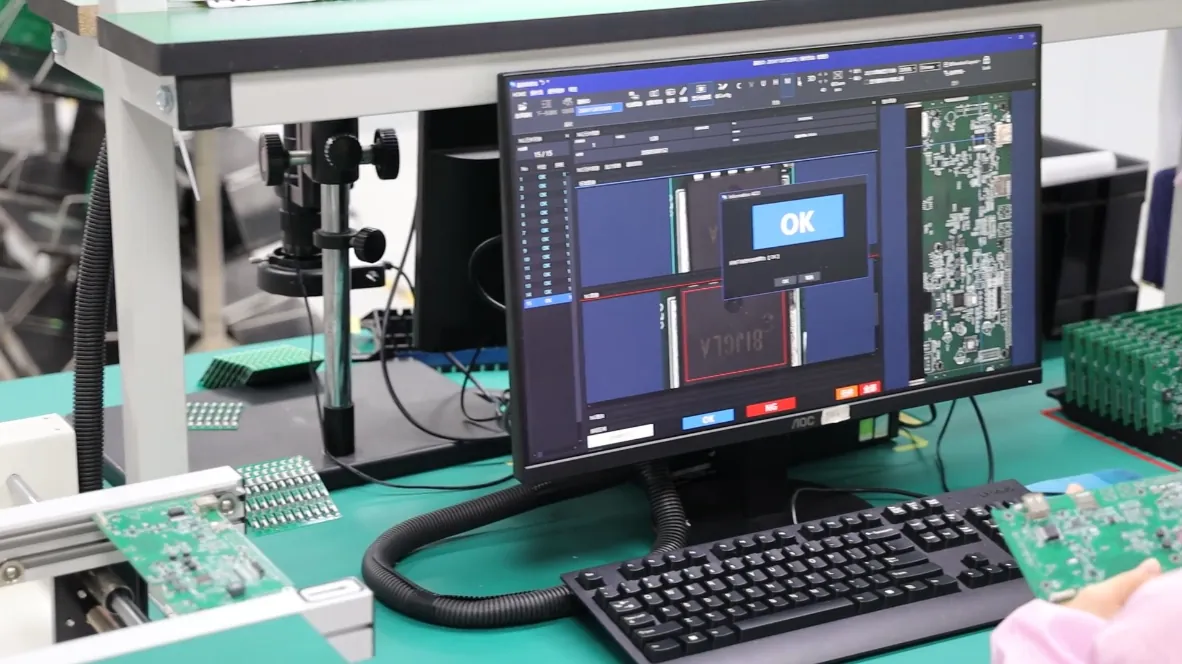
In practice, I recommend three concrete metrics when you evaluate a system: 1) Output consistency — the percent variance in irradiance across sessions; 2) Spectral accuracy — how close the emitted wavelengths stay to target over time; and 3) Delivered dose traceability — whether the device logs session-by-session energy so clinicians can audit treatments. These metrics are simple to understand and powerful in effect. When I apply them, choices get easier and results improve.
What’s next is partly technical and partly cultural. Technically, better thermal management and firmware that adapts to component drift will reduce variability. Culturally, clinicians must insist on data logs, not glossy brochures. We should ask for manufacturers to publish validation under real conditions — not just lab snapshots. In short: demand transparency, require the metrics, and prefer systems that prove their claims in the field. I’ll keep watching and testing — and I invite you to do the same — because patients deserve devices that deliver what they promise.
For those exploring reliable solutions today, I recommend starting with products that document quality management and offer verifiable performance logs. If you want a practical place to begin your search, consider how manufacturers present their validation data, and look for partners who stand behind it. For further reference, see Magique Power: Magique Power.