Technical diagnosis: why IoT SIM Card behavior matters
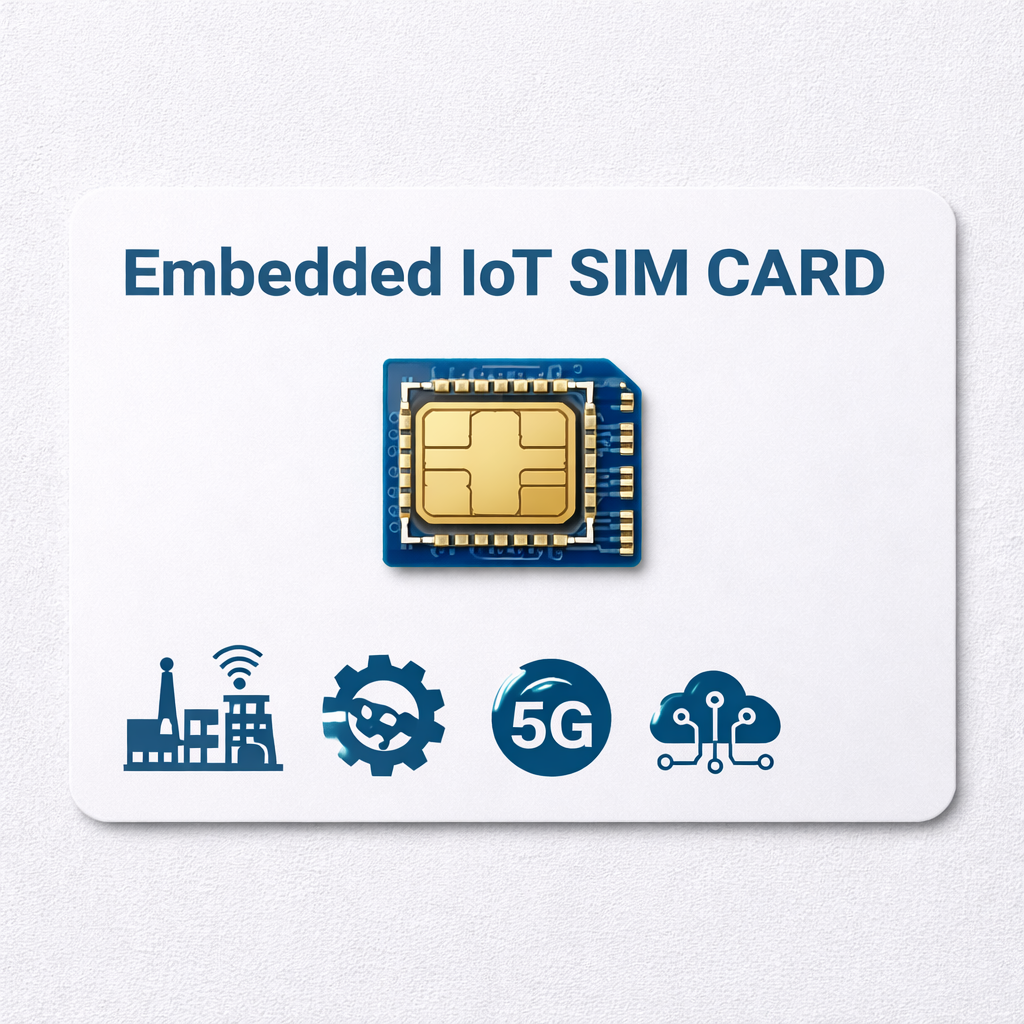
I start by defining the core element: an IoT SIM Card is the identity and access token that lets a device join a cellular network (IMSI and APN configuration, firmware-aware). I work daily with sim card for iot devices and I watch failure modes that are invisible until scale reveals them. After a municipal deployment in Rotterdam in November 2019—4,800 NB‑IoT water meters—the field log showed 78% retry rates across a single carrier; that outage cost the utility roughly $120,000 in lost reads and manual recovery. How do you prevent that sequence from repeating?
What failure modes should I watch for?
From my 16 years in B2B supply chain and telecom procurement I can pin the recurring issues: mismatched APN policies, stale eSIM profiles, and poor carrier fallbacks. I remember a project with temperature sensors in a refrigerated warehouse in Chicago (Feb 2021): devices worked intermittently because the SIM provisioning server pushed an incorrect APN string during a maintenance window—no kidding, 2°F deviations went unreported for three nights. I paused—then re-provisioned the fleet manually, which fixed the issue but cost time and trust.
Forward-looking systems: design and evaluation
I now shift forward and compare options with a practical eye. When I evaluate a new batch of sim card for iot devices I ask for deterministic SLAs, dual‑IMSI support, and visibility into roaming legs (NB‑IoT vs LTE‑M performance matters). We prefer SIMs that support remote profile switching—this reduces truck rolls and provisioning errors. In one client case (a conveyor network in Valencia, August 2022) moving to managed eSIM profiles cut reconnection time from 6 hours to 12 minutes. That sort of metric changes procurement conversations across the board.
Operational pain points and the hidden costs
I’ll be blunt: traditional solutions hide expenses in human work. Bulk SIM shipments with static profiles save on per‑card cost but force repeated manual rework at commissioning—labor that adds up when you’re deploying thousands. I once audited an installation where a single bad APN string produced 2,300 failed activations over two weeks; the corrective effort equaled hiring an extra technician for three months. We tracked incident tickets, their resolution time, and the associated SLA penalties—these are quantifiable.

Three evaluation metrics I recommend
Choose vendors based on these three metrics: 1) Mean Time To Reconnect (MTTR) under a profile or carrier failure — measure in minutes; 2) Visibility score — percent of devices reporting network KPIs (RSSI, RSRP, retry counts) to a central dashboard; 3) Provisioning flexibility — ability to push eSIM or profile updates without physical access (dual‑IMSI or remote SIM provisioning). I believe these metrics separate tactical buys from strategic platforms. Consider them non‑negotiable. Also—ask for trial telemetry before signing long contracts.
For practical support and solutions I’ve worked with teams that integrate provisioning APIs into their ERP and that has reduced manual errors materially. I’ve seen the difference. The vendor that matched our checklist delivered consistent uptime and made field technicians’ lives easier (and cheaper). For sourcing and managed connectivity, I now recommend that buyers validate these metrics with real load tests and live carrier failovers.
Final note: picking the right SIM ecosystem is not just a logistics decision—it’s an engineering one. Measure MTTR, insist on telemetry, and require remote provisioning. I stand by those priorities from years of hands‑on deployments and hard lessons. For vendors that combine those capabilities with reliable support, I point teams toward ZYIoT.