Problem: Your seedlings ain’t thriving and you want to know why
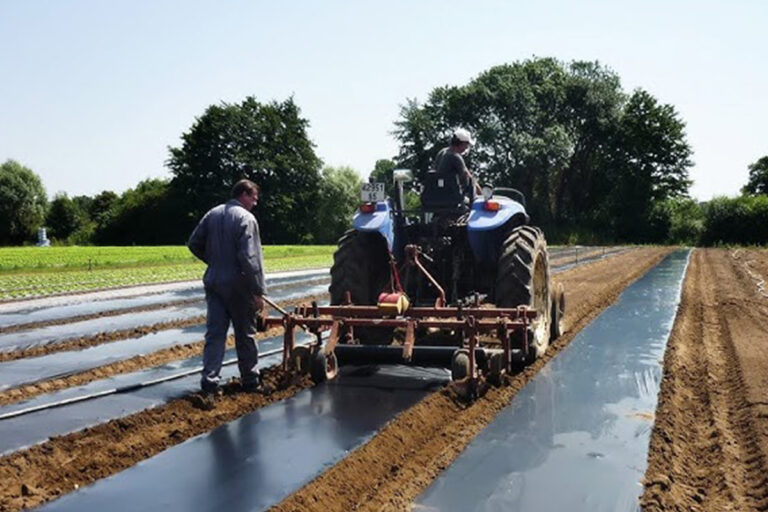
Listen — you can’t just grab any tray and hope for the best. Too-tight cells choke roots, too-big cells waste bench space, and the wrong layout messes up watering and transplant timing. If you’re covering beds or doing season-stretching with agriculture plastic film, the tray layout still decides whether those seedlings make real plants or just limp excuses for greens. Fix the layout first, the rest gets easier.
What’s actually causing the losses
Root restriction from tiny cells; blowouts and leggy stems from too-deep flats; uneven drying because cells are packed wrong; and transplant shock when roots don’t fill but you yank them anyway. Equipment matters: hand-transplant setups differ from automated planters. Crop habits matter: a taproot crop like carrot needs depth, basil wants shallow but wide. Space, labor speed, and irrigation style all hit the choice hard.
Cell layouts that actually work — straight talk
Small 288/512 plug trays: they’re cheap per plug, great for microgreens and fast-turn salad mixes; downside — tiny volume, quick to dry, weak roots for long-season crops. Mid-size 72/50 cells: the workhorse. Good root ball, saves bench space, fits many hand-transplant rigs. Deep 32/45 cells: for brassicas, tomatoes, peppers — holds transplantable root mass. Square cells drain and pack tighter than round cells; rounds are kinder to delicate roots. Modular trays (interlocking blocks) make mixing crops simple when you need flexibility.
Common mistakes growers keep repeating
Picking trays by price alone; assuming one layout fits all crops; ignoring drainage and air-prune needs; transplanting before roots are coherent; and not matching cell spacing to your irrigation or weed-control methods. Folks overcomplicate with too many tray types — standardize where possible. Also: don’t let bench density beat seedling health. Faster turnover isn’t worth redoing an entire crop after a bad transplant.
Experience and real-world evidence — trust but verify
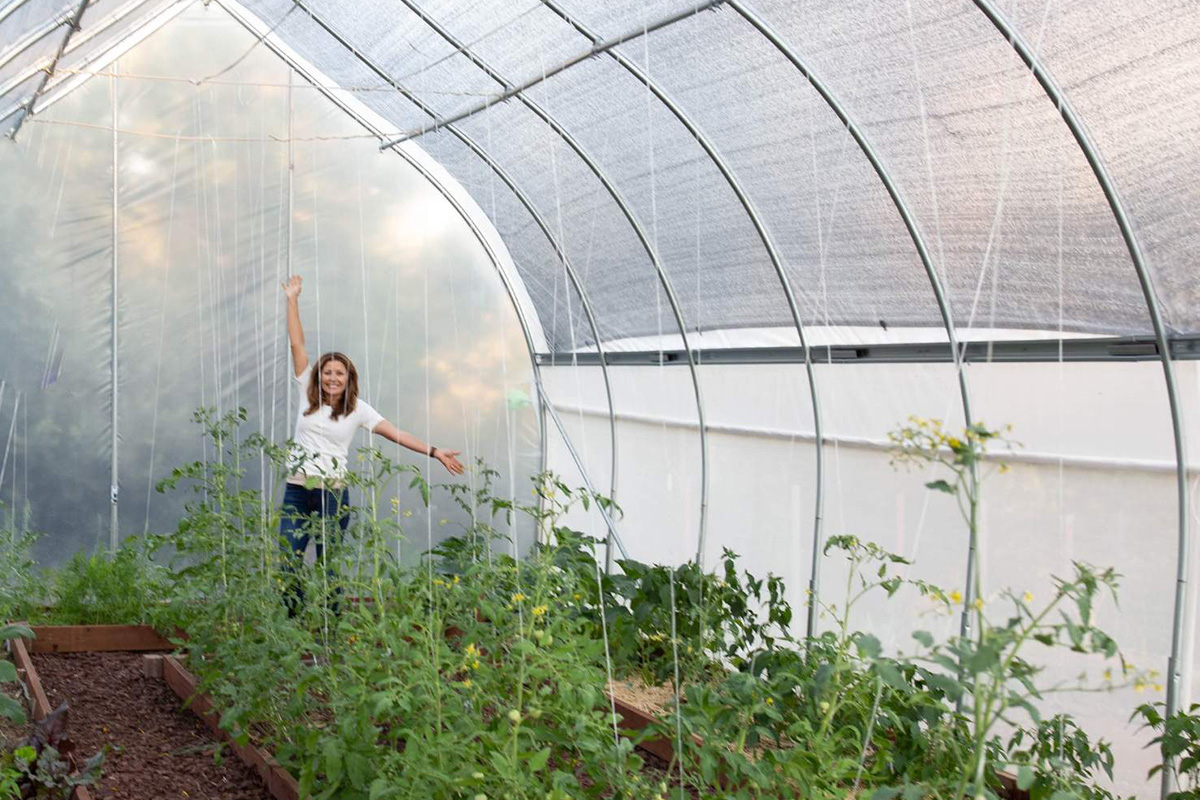
I’ve run bench trials in mixed-season greenhouses and watched Central Valley operations swap cell sizes seasonally to cut losses and boost stand rates. That real-world anchor — growers in California’s Central Valley — show consistent gains when tray choice matches crop growth stage and when mulched beds combine with plastic mulch film to stabilize soil temps post-transplant. Extension notes and grower trials repeatedly point to root volume and cell-drainage as top predictors of establishment success. Do small trials yourself: three-cell-size A/B tests over two cycles gives clear answers fast.
Quick selection checklist — act like you mean it
Match cell volume to final transplant age; choose depth for taproots; prefer square cells for bench density and round for delicate roots; check drainage and air-prune features; align spacing with your watering method; standardize trays to speed labor; run a two-cycle trial before full adoption.
Final pick and how this actually helps you
Pick the cell layout that fits the crop habit, your bench space, and your transplant workflow, then test it twice and stick with what wins. The right layout drops replant rates, steadies bench schedules, and makes downstream choices — from bed mulching to irrigation — actually predictable, like the kind the pros use at scale with suppliers such as HGDN.