Setting the Stage: A Room, Many Languages, and One Big Decision
I once watched a council meeting where every delegate spoke at once—and yet everyone somehow understood. It felt like magic until the microphones hiccupped and the spell broke. An interpretation system can make or break that moment. In crowded venues, with lots of devices and expectations, the stakes are high. (Coffee helps, but not as much as planning.) Here’s a quick stat: even a tiny 150 ms slip in the latency budget can nudge speakers off rhythm and rattle interpreters, and mild RF interference can snowball into missed nuance—funny how that works, right? So what should you really compare when you’re choosing a system for live, multilingual events?
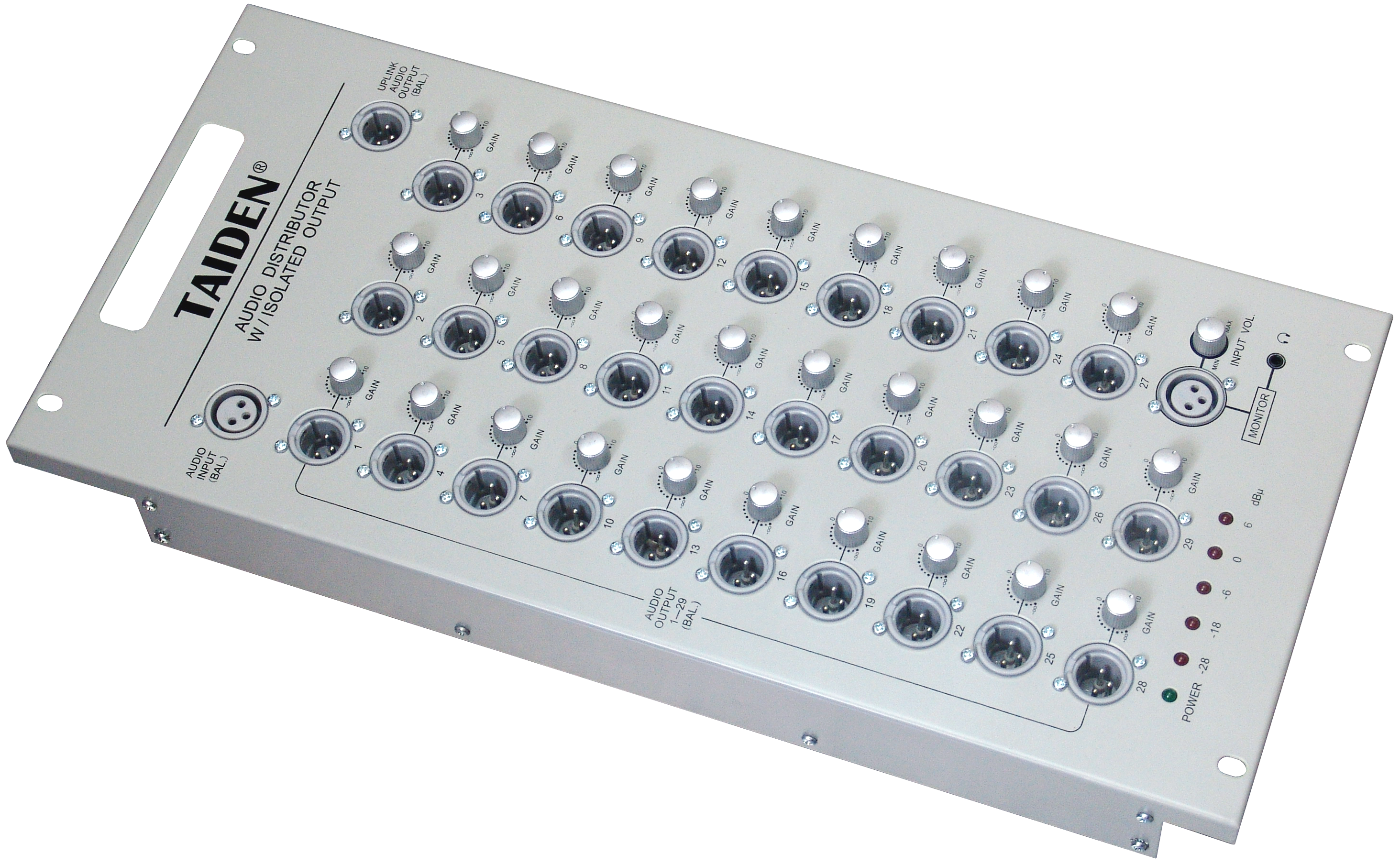
We’ll weigh what matters, where traditional setups stumble, and how newer designs fix the cracks. I’ll keep the jargon light, but a few terms matter: RF interference, codec choices, and edge computing nodes all affect clarity. Ready to move from guesswork to good calls? Let’s step into the details and line up your options side by side.
Under the Hood: Why Some Systems Miss the Moment
Where do legacy setups fall short?
Start with the quiet villains: power converters, crowded radio bands, and mismatched codecs. Many legacy rigs spread signals across busy RF lanes, then juggle them with basic error correction. Dropouts creep in. Now compare that to the taiden digital infrared wireless conference system, which moves the traffic off the RF grid and into IR, away from Wi‑Fi storms and rogue transmitters. Look, it’s simpler than you think: less spectrum brawl means fewer artifacts. Add smarter beamforming at receivers and you get cleaner handoffs as people shift in their seats. All that supports interpreters, who need stable audio cues more than fancy knobs.
But there’s a deeper pain point: setup friction. Classic systems often need manual spectrum planning, antenna farm tweaks, and guesswork on coverage. That eats time and invites errors. With IR, coverage maps are clearer (what the light sees, it serves), and the latency path stays tight. Better yet, consistent codec profiles keep voice timbre natural, which matters when body language and tone carry meaning across cultures. The result is a calmer booth, fewer “say again” moments, and a room that feels seamless instead of fragile.
Next-Gen Principles: From Nice-to-Have to Non‑Negotiable
What’s Next
Let’s go forward-looking and a bit comparative. Newer designs treat signal integrity as a system, not a patchwork. Move the heavy lifting closer to the source with light edge computing nodes, keep the latency predictable, and guard each hop with robust error handling. The practical upshot? Streams stay in sync; interpreters don’t fight timing; audiences hear what they should, when they should. When you layer scalable channel capacity—like native support for 40 channel audio —you handle big conferences without duct-tape routing. This is where IR shines against crowded RF: fewer collisions, clearer paths, and simpler diagnostics. It’s not hype; it’s physics plus smart design.
Real-world impact shows up in small wins: fewer floor-feed surprises, stable handover between booths, and clean audio even when devices pile up. Systems that combine disciplined codecs with adaptive gain control reduce listener fatigue. And when the lighting plan changes mid-event (because it always does), IR coverage maps are quick to audit—funny how light tells the truth. Compared to older RF-first stacks, you spend less time firefighting and more time running the show.
Decision Time: What to Measure Before You Commit
Advisory close. Three metrics anchor a smart choice. First, stability under stress: verify packet loss, jitter, and end-to-end latency with a full house, not an empty hall. Second, clarity at scale: test intelligibility as channels climb—yes, up to that 40 channel audio mark—and watch how codecs preserve sibilants and soft consonants. Third, deployment simplicity: map coverage in minutes, not hours, and confirm no surprise RF interference or weird power converters behavior at peak load. If a system—like the taiden digital infrared wireless conference system—checks those boxes with room to grow, you’ve got a keeper. Measure what matters, compare with intent, and let your interpreters breathe. For more context on the platform and its ecosystem, see TAIDEN.