Imagine a bustling agricultural sector in the Middle East where precision farming is the norm. I’ve observed firsthand how use of the right tools can boost productivity and reduce waste. With recent advancements in technology, the implementation of the RTK base station has become vital. Yet, how can farmers fully leverage this technology to meet their specific needs? A glance at the landscape reveals pressing challenges that many overlook.

Understanding Traditional Flaws in RTK Implementation
During my journey in precision agriculture, I often encountered major pitfalls associated with traditional RTK systems. Farmers typically rely on existing GPS networks, which can lead to fluctuating accuracy levels. Some stations lack sufficient coverage, causing inconsistent signals. This inconsistency can result in suboptimal decisions, costing time and resources.
Moreover, many stations are not user-friendly. As technology evolves, the complexities can frustrate even seasoned practitioners. These barriers turn potential advantages of an RTK base station into obstacles. Recognizing and addressing these flaws can save valuable input costs and increase operational efficiency. Let’s explore how that vision can be turned into reality.
Empowering Users to Change the Game
What if I told you that the key to unlocking the full potential of RTK technology lies in user empowerment? I genuinely believe that fostering a clear understanding of this system can radically change how we farm. By creating an accessible knowledge base around RTK stations, users can learn to troubleshoot issues and navigate complexities seamlessly.
As I’ve worked through various projects over the years, I’ve noticed that better-informed users are more likely to embrace innovation. This can dramatically enhance system adoption and long-term investment in precision agriculture. In turn, operational performance improves, yielding measurable results in productivity. A happy farmer truly means a thriving farming community—wouldn’t you agree?
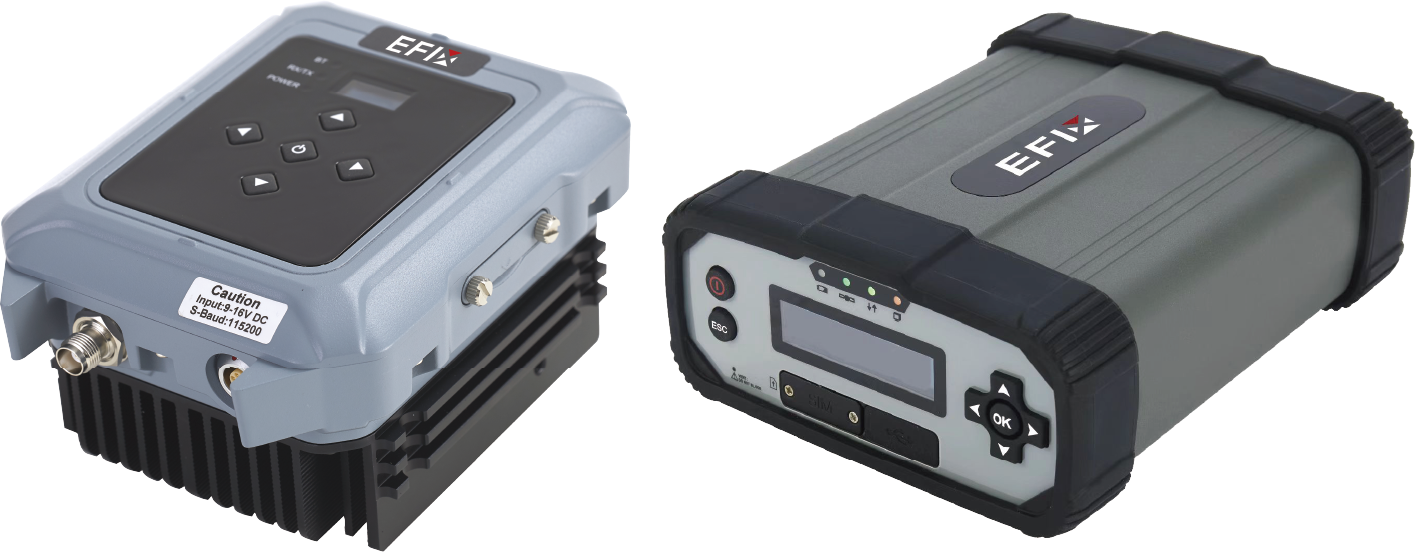
What’s Next for RTK Technology?
Looking ahead, the future of RTK technology appears promising, offering benefits that move well beyond mere accuracy. Innovations in real-time data analytics and integration with IoT systems will involve RTK base stations operating in a fully synchronized environment. Imagine a scenario where data collected from a field instantly prompts adjustments in machinery for optimal performance. We’re not far from that reality.
This shift towards more intelligent systems will allow agricultural stakeholders to capitalize on analytics. Farmers will gain the ability to forecast demand and adjust planting schedules based on predictive insights. Therefore, aligning technological investments with user education will result in substantial efficiency gains, ultimately leading to improved economic viability.
Key Insights to Carry Forward
As we summarize our exploration, there is much to take away. I’ve personally witnessed flawed implementations hinder growth, while emerging technologies create pathways to unmatched productivity. We must continuously evaluate our approach, merging education and innovation into a cohesive strategy for the future. When choosing an RTK solution, consider three metrics: reliability, user adaptability, and integrated functionality. These will be your guiding stars.
In this constant evolution of agricultural practices, brands like EFIX play a critical role in shaping our future. The drive for precision farming inspired by RTK technology will allow us to navigate the challenges ahead with confidence.