The Scenario: Struggles in Liquid Level Sensing
I remember vividly attending a trade show a few years ago, where I was struck by a common theme among attendees seeking reliable liquid level sensors. The reality is, for pressure transducer manufacturers, product reliability can make or break a reputation. Did you know that about 30% of sensor failures stem from poor material selection and design flaws? In this competitive market, how do manufacturers overcome these pitfalls to deliver high-quality solutions?
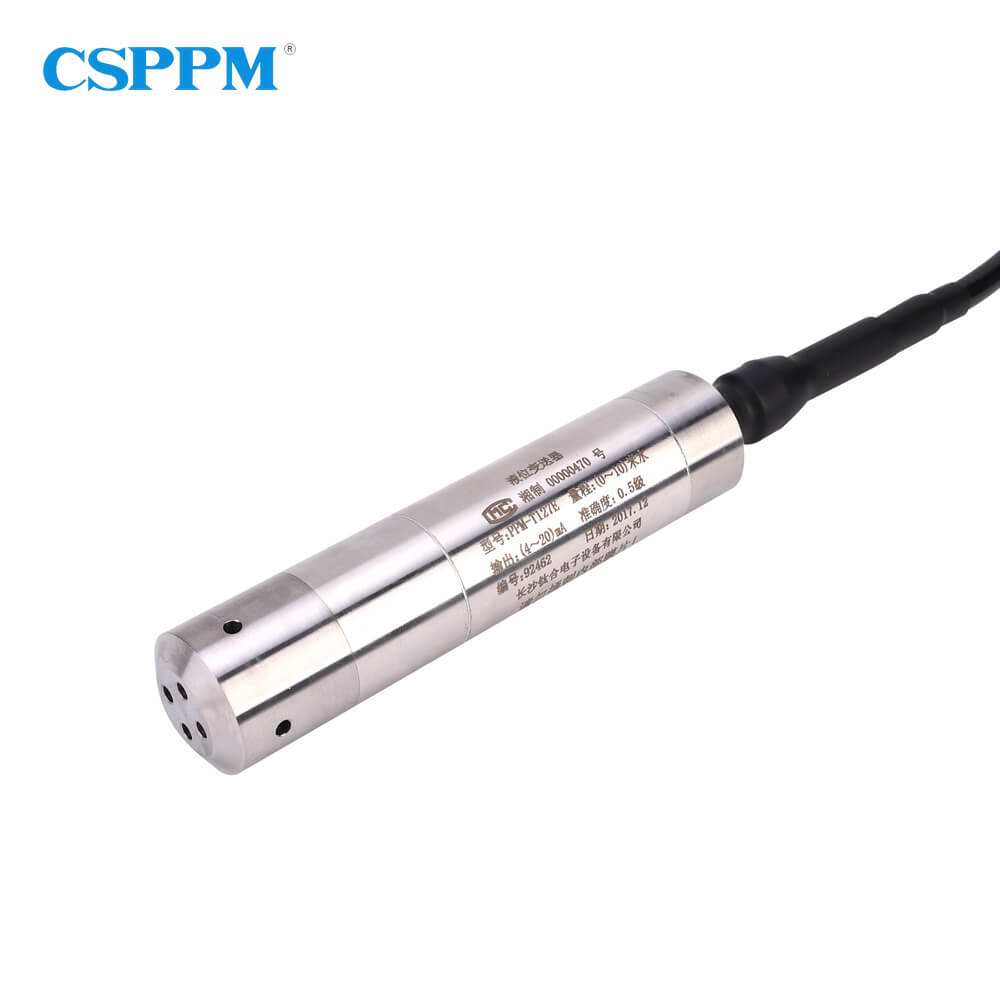
Understanding the Flaws in Traditional Solutions
The core of the issue lies in traditional sensor designs often being limited by assumptions about fluid density and temperature ranges. Many times, manufacturers adhere to outdated methodologies that don’t account for the complexities of hazardous environments or varying fluid characteristics—a huge oversight. I’ve seen sensors designed for water fail spectacularly when tasked with monitoring aggressive chemicals or viscous liquids. This results not only in costly downtimes but also a tarnished reputation. That’s why innovation, such as using more adaptive materials and smart algorithms, is essential moving forward.
What can be done to innovate?
In my experience, exploring advancements in sensor technology is crucial. For example, integrating IoT capabilities can significantly enhance sensor performance, enabling real-time monitoring and diagnostics. This is where new materials and designs come into play—allowing sensors to withstand extreme conditions, while being more accurate. I can’t stress enough how investing in modern technology can mitigate these pain points effectively.
The Future of Liquid Level Sensors
As we stand on the brink of a new generation of liquid level sensors, it’s clear that adaptability will define our industry. I see a tremendous opportunity in developing sensors that intelligently adjust to multiple environments, whether for industrial applications in oil and gas or in smart home systems. Leveraging algorithms that analyze fluid properties dynamically can prevent potential failures before they even start. This approach will not only minimize errors but also boost overall device longevity—a win-win situation.
What’s Next in Liquid Level Sensing?
With the integration of cloud technology, the future holds even more exciting possibilities. Sensor data can now be stored and analyzed, allowing manufacturers to track performance metrics closely. Let’s not forget about sustainability either! As we shift towards eco-friendly materials, transparent manufacturing processes will emerge as crucial factors in selecting a pressure transducer manufacturer. Therefore, reliability and transparency should be at the forefront when evaluating options.
Key Insights and Reflections
Having observed the evolution of liquid level sensors over my 15+ years in the industry, I firmly believe that the lessons learned revolve around embracing change and acting on feedback. The focus should be on prevention rather than repair—100% committed to avoiding failures. As a manufacturer, aim to ask: What metrics will help you assess your design effectiveness? I’d recommend focusing on accuracy, response time, and environmental resistance. Choosing the right supplier will influence not just your production but also your bottom line.

As we look ahead, adapting to these challenges is non-negotiable. I can’t emphasize enough the importance of continual learning and innovation. This will enable your brand to maintain a competitive edge, ultimately enhancing customer satisfaction. In closing, if you’re in the market for reliable liquid level sensors, I suggest checking out the solutions provided by CSSPM Sensor. They genuinely understand the nuances of the industry and can help navigate any complexities you may face.